-
Trump Signs Iran Deal By Hand At Versailles Dinner With Macron
President Trump signed the U-S–Iran memorandum of understanding by hand during a dinner at the Palace of Versailles Wednesday night. The signing came two days after Vice President J-D Vance signed the document electronically, alongside Iranian Parliament Speaker Mohammad-Bagher Ghalibaf with Trump witnessing.
A planned in-person signing ceremony set for Friday in Geneva has been canceled. Iranian Foreign Ministry spokesman Esmail Baghaei says the memorandum is now officially finalized, since both sides have signed.
Speaking at the G7 summit in France Trump defended the deal to the Wall Street Journal, saying he wanted to avoid an "economic catastrophe." He acknowledged the stock market's reaction to the three-month war influenced his decision.
Under the agreement, Iran will reopen the Strait of Hormuz, and the U-S will lift its blockade and ease sanctions on Iranian oil sales. Tehran could eventually gain access to a three-hundred-billion-dollar reconstruction fund and unfrozen assets — but only if it meets U-S demands to curb its nuclear program. Officials say Iran has reaffirmed it won't pursue a nuclear weapon, though enforcement details are still being negotiated over the next sixty days.
Trump warned that if Iran doesn't comply, the U-S could resume strikes. He also said he supports Iran retaining some of its ballistic missiles, calling it unfair for other countries to have them and Iran not to.
French President Emmanuel Macron called the deal "necessary" but warned it doesn't resolve every issue, including the nuclear question, and that a return to fighting remains possible.
Some of Trump's own allies have criticized the deal, arguing he gave up more than he got to reopen a shipping route that was open before the war began.
-
Mobile Co. Sheriff says Prichard PD evidence room "most disorganized" he's ever seen
MOBILE, Ala. (NBC 15) — The federal corruption investigation in Prichard is now raising concerns about hundreds of criminal cases. The Mobile County Sheriff's Office took control of the police department on Tuesday. Sheriff Paul Burch says the department has the most disorganized police evidence room he's ever seen, and it could take six months to sort through it.
Read More : Mobile Co. Sheriff says Prichard PD evidence room "most disorganized" he's ever seen
-
Orange Beach officials say Gulf, water rescues already nearing annual totals
BY KAMALA ROSSI with Gulf Coast Media
ORANGE BEACH — Summer has arrived on the Alabama Gulf Coast, and as temperatures increase, so does the flow of beach-goers in Orange Beach and Gulf Shores, and the need for safety remains of the utmost importance.
"Know before you go" is a phrase used by Orange Beach Beach Safety Chief Brett Lesinger and Gulf Shores Beach Safety Chief Joethan Phillips, which is aimed at using weather reports, surf conditions and beach flag reports to plan your beach day.
Lesinger said Orange Beach lifeguards have made between 120 to 150 water rescues so far this year already. The average per year for the last five or six has been around 200.
"We did have a couple weekends where we were super busy, like way busier than we normally would," Lesinger said, at least partially attributing the unseasonably high number of rescues to rough surf conditions.
Phillips reported 66 water rescues in Gulf Shores so far this year.
"This is not a closed body of water, like a pool or lake," he said. "This is an open body of water, and with all the rip currents pulling even on yellow flag days, there are rip currents out there, and we want people to be aware of their own swimming abilities when they come down here."
Rip currents cause over "80% of water rescues performed by surf beach lifeguards" and contribute to over 100 deaths in the United States every year, according to statistics conducted by the United States Lifesaving Association (USLA).
You can set up automatic alerts by texting "ALBEACHES" to 888777 for beach conditions and warning flag updates.
Read More : Orange Beach officials say Gulf, water rescues already nearing annual totals - Gulf Coast Media

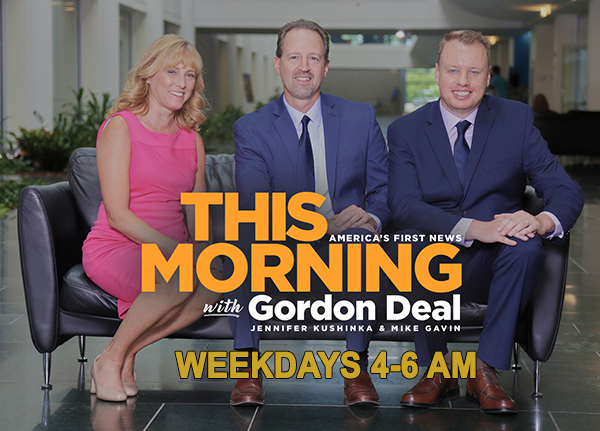
This Morning with Gordon Deal
FM Talk 1065
Mobile Mornings with Dan Brennan and Dalton Orwig
FM Talk 1065
The Jeff Poor Show
FM Talk 1065
Midday Mobile
FM Talk 1065
The Paul Finebaum Show
FM Talk 1065
The Michael Berry Show
FM Talk 1065
Sweet Home CannaBama
FM Talk 1065
Tonight in Mobile with Mr. Mobile
FM Talk 1065

The Joe Pags Show
FM Talk 1065

The Dana Show
FM Talk 1065
This Morning with Gordon Deal
FM Talk 1065
Mobile Mornings with Dan Brennan and Dalton Orwig
FM Talk 1065
The Jeff Poor Show
FM Talk 1065
Midday Mobile
FM Talk 1065
The Paul Finebaum Show
FM Talk 1065
The Michael Berry Show
FM Talk 1065
The George Williams Show
FM Talk 1065

Beyond the Blockchain
FM Talk 1065
The Joe Pags Show
FM Talk 1065
The Dana Show
FM Talk 1065
This Morning with Gordon Deal
FM Talk 1065
Mobile Mornings with Dan Brennan and Dalton Orwig
FM Talk 1065
The Jeff Poor Show
FM Talk 1065
Midday Mobile
FM Talk 1065
The Paul Finebaum Show
FM Talk 1065
The Michael Berry Show
FM Talk 1065

Scuttlebutt Radio
FM Talk 1065
The Joe Pags Show
FM Talk 1065
The Dana Show
FM Talk 1065
This Morning with Gordon Deal
FM Talk 1065
Mobile Mornings with Dan Brennan and Dalton Orwig
FM Talk 1065
The Jeff Poor Show
FM Talk 1065
Midday Mobile
FM Talk 1065
The Paul Finebaum Show
FM Talk 1065
The Michael Berry Show
FM Talk 1065

FM Talk 1065 - Best of the Week
FM Talk 1065
The Joe Pags Show
FM Talk 1065
The Dana Show
FM Talk 1065
This Morning with Gordon Deal
FM Talk 1065
Mobile Mornings with Dan Brennan and Dalton Orwig
FM Talk 1065
The Jeff Poor Show
FM Talk 1065
Midday Mobile
FM Talk 1065
The Paul Finebaum Show
FM Talk 1065
The Michael Berry Show
FM Talk 1065
FM Talk 1065 - Best of the Week
FM Talk 1065
The Joe Pags Show
FM Talk 1065

Outdoors Show with Don Dubuc
FM Talk 1065
FMTalk1065 Outdoors
FM Talk 1065

Prep Sports Report
FM Talk 1065

Southern Fairways
FM Talk 1065

FMTalk1065 - Best of the Week
FM Talk 1065
Retire Right Radio
FM Talk 1065

The Jolene Roxbury Variety Hour
FM Talk 1065

The Kim Komando Show
FM Talk 1065

Free Talk Live
FM Talk 1065
FMTalk1065 Outdoors
FM Talk 1065
Free Talk Live
FM Talk 1065
FMTalk1065 Best of the Week (Sunday AM)
FM Talk 1065
FMTalk1065 Outdoors
FM Talk 1065
The Jolene Roxbury Variety Hour
FM Talk 1065
Truitt News Radio
FM Talk 1065

Plain Living with Bill Finch
FM Talk 1065
Sip & Chew with Mike & Stu
FM Talk 1065
Coasting in Retirement with Josh Null
FM Talk 1065

What Would Your Money Say? with Swan Capital
FM Talk 1065

This Weekend with Gordon Deal
FM Talk 1065

Talking Dirty
FM Talk 1065

Relax and Retire Financial Services
FM Talk 1065
FM Talk - Best of the Week
FM Talk 1065

Plain Living with Bill Finch
FM Talk 1065
FMTalk1065 Outdoors
FM Talk 1065
Prep Sports Report (Sunday Replay)
FM Talk 1065
Free Talk Live
FM Talk 1065